
Life, Underway.
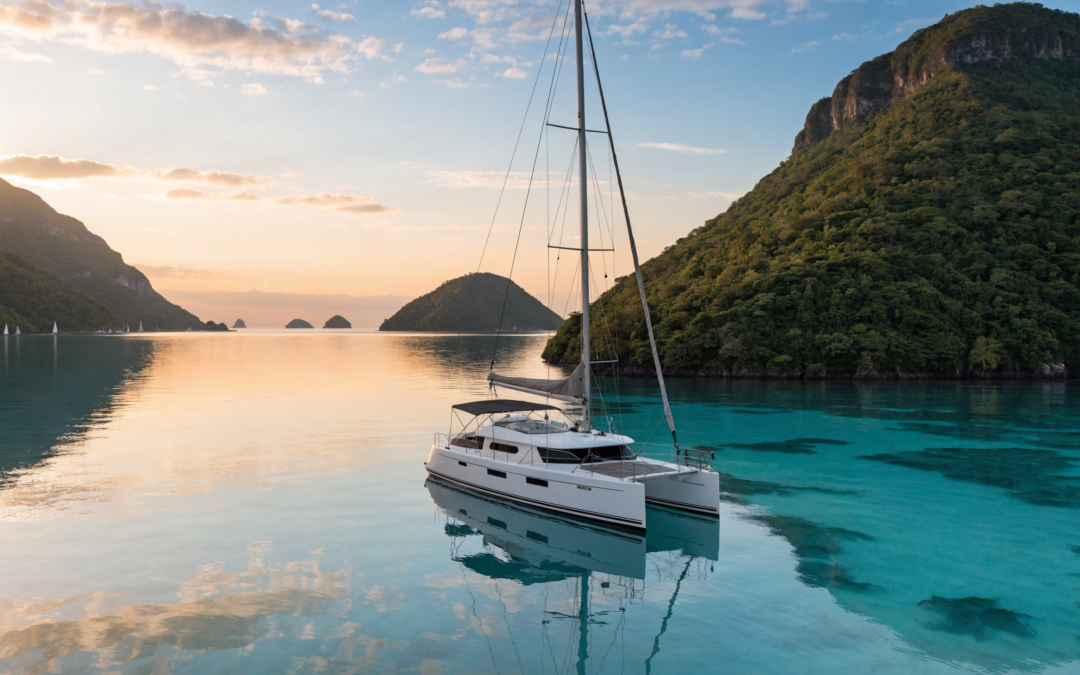
There’s a moment that happens to almost everyone on their first morning in the British Virgin Islands. You come up on deck with a coffee, still a little disbelieving, and there it is: a chain of green mountains rising out of impossibly blue water, a scattering of white sails on the horizon, and a mooring field so calm it looks like glass. No lobby. No elevator. No line for the breakfast buffet. Just the islands, the trade winds, and a day that belongs entirely to you.
If you’ve never chartered before, the BVI is the place people quietly agree is the best introduction to it anywhere in the world — and there’s a good reason this cluster of islands has been called the sailing capital of the Caribbean for decades. But “first-timer” and “the sailing capital of the Caribbean” can sound intimidating in the same sentence. So let’s take the mystery out of it. This is a practical, honest guide to what a week in the BVI aboard a crewed catamaran actually looks like, what makes these islands so forgiving for beginners, and why so many people who try it once never go back to a hotel again.
Why the BVI is the easiest place in the world to fall in love with sailing
Most first-timers assume a Caribbean sailing trip means long, exposed ocean crossings, seasickness, and a lot of nervous glances at the weather. The BVI is almost the opposite of that, and it comes down to geography.
The islands are arranged around a protected body of water called the Sir Francis Drake Channel, with Tortola and the smaller islands forming a natural windbreak on one side and a string of cays on the other. The result is a stretch of water that stays remarkably flat and calm even when the trade winds are blowing. You are rarely more than an hour or two from your next anchorage, and you can usually see your destination from the moment you raise the sails. Sailors call it “line-of-sight” cruising, and it’s exactly as reassuring as it sounds.
For a first-time guest, that translates into short, gentle passages between islands rather than white-knuckle open-ocean days. You sail in the morning when you feel like moving, drop anchor by lunch, and spend the afternoon in the water. The steady 10-to-20-knot trade winds are consistent enough that your captain can plan a beautiful, relaxed week without ever needing to push into rough conditions. It’s the reason families, couples, and groups of friends who have never set foot on a sailboat come home talking like lifelong sailors.
And here’s the part that matters most: on a crewed charter, you don’t sail the boat. Your captain does. You’re a guest, not a student. Which brings us to the single biggest thing new charterers get wrong.
Crewed vs. bareboat: choose the one that fits a first trip
When people picture “chartering a yacht in the BVI,” they often picture a bareboat charter — where you rent the boat and act as your own captain and crew. It’s a wonderful option for experienced sailors with the certifications and confidence to run a vessel themselves. For a first-timer, it’s usually the wrong starting point.
A crewed charter hands you the entire experience without a single logistical worry. You have a licensed captain who knows every reef, mooring field, and hidden anchorage in the territory, and a private chef who turns the galley into something that rivals a fine restaurant. You don’t plan the route, read the charts, cook, clean, provision, or dock the boat. You wake up, decide roughly what kind of day you’re in the mood for, and let a professional crew make it happen.
The difference in a first-timer’s experience is night and day. Instead of spending your vacation managing a boat, you spend it swimming, snorkeling, reading in a hammock strung between the hulls, and eating extraordinarily well. We’ve written before about what’s actually included on a crewed charter, and the short version is: far more than most people expect, which is also why the all-in value tends to surprise people who assumed a private yacht was out of reach. When you divide a fully crewed catamaran — captain, chef, meals, water toys, and all — across six or eight or ten guests, the math looks a great deal friendlier than a comparable week of luxury hotel rooms, restaurant tabs, and excursions ashore.
Your first week, island by island
No two itineraries are the same — that’s the whole point of a private boat — but a classic first-timer’s loop through the BVI hits a handful of places that have become legendary for good reason. Here’s what a week might hold.
The Baths at Virgin Gorda
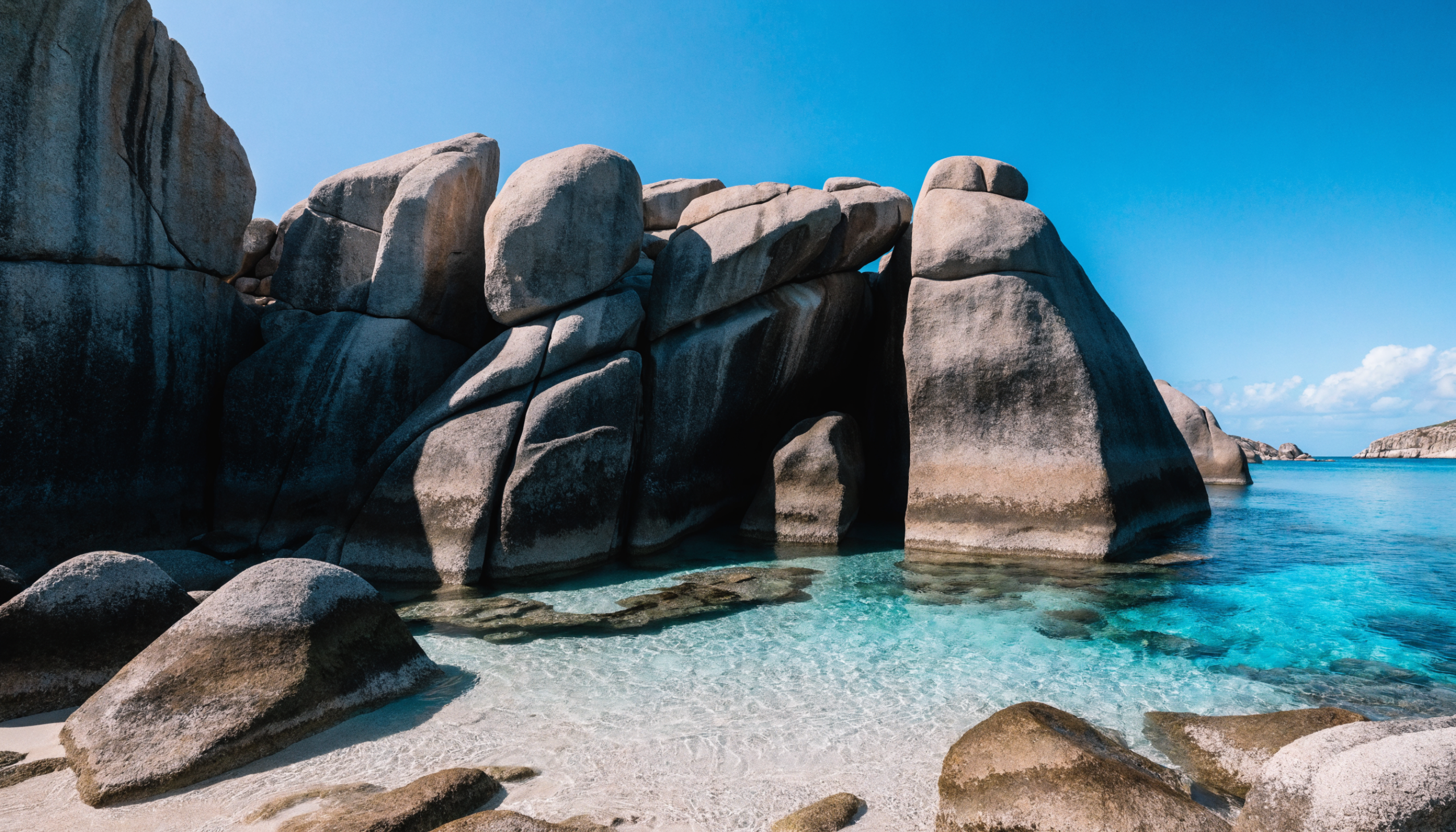
If the BVI has one unmissable landmark, it’s The Baths. On the southern tip of Virgin Gorda, a jumble of granite boulders the size of houses tumbles into the sea, forming a maze of shadowy grottos, tidal pools, and sunlit chambers you can wade, climb, and swim through all the way to the tucked-away sand of Devil’s Bay. It feels less like a beach and more like a natural cathedral. Arriving by yacht means you can be among the first in the water in the morning, before the day-trippers arrive — one of the quiet luxuries of having your own boat.
Jost Van Dyke and the beach bars of the Virgins
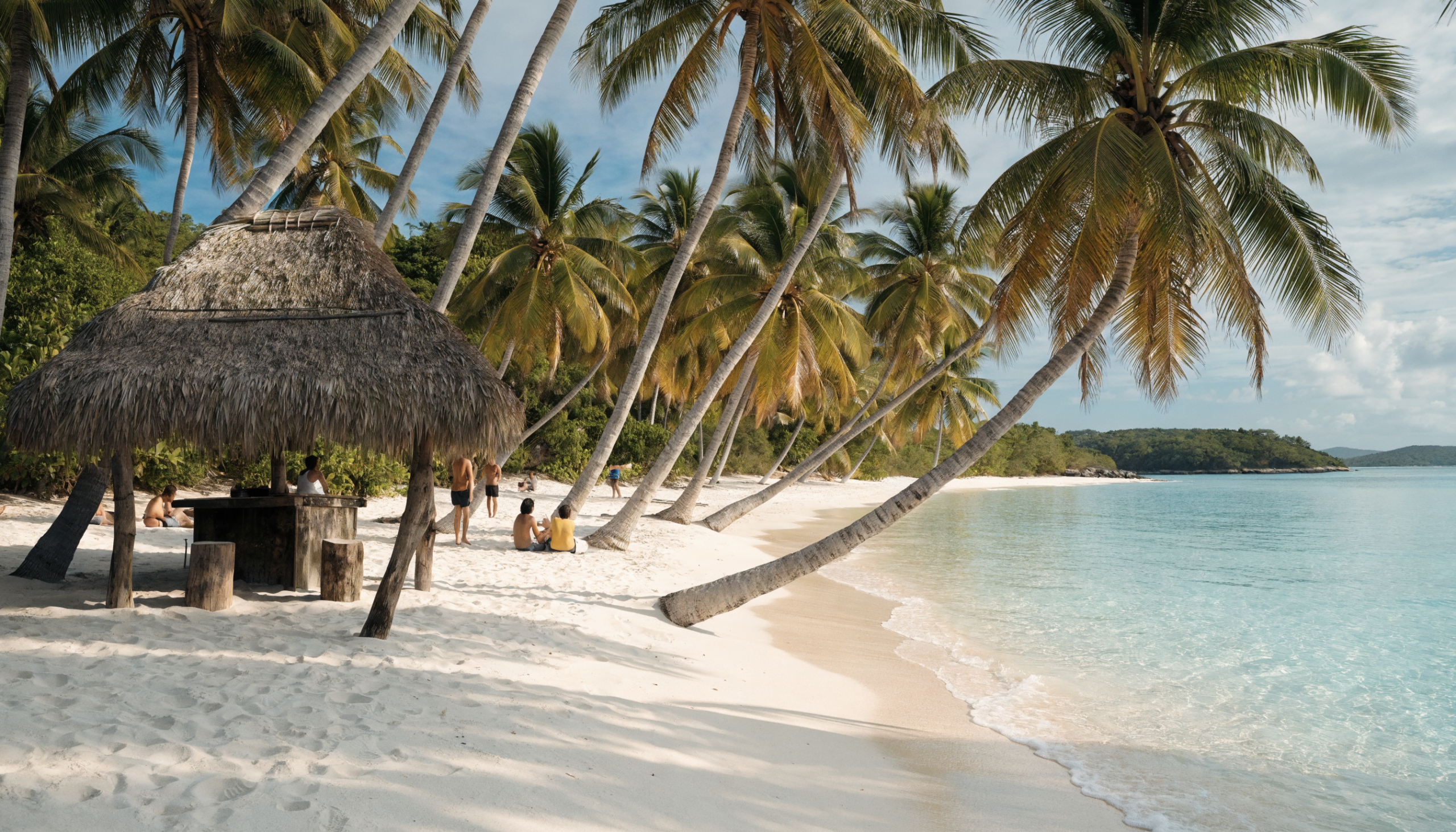
No first trip is complete without an afternoon at Jost Van Dyke, the spiritual home of the Caribbean beach bar. This is where the famous Painkiller cocktail was born, and where a barefoot bar on a perfect crescent of sand has been serving sailors for generations. You’ll swim ashore or hop over in the dinghy, sink your toes into the sand, and understand instantly why “barefoot luxury” isn’t just a phrase we use — it’s a way of moving through these islands. White Bay’s stretch of sand is the kind of place you plan to stay for one drink and end up watching the sunset.
Norman Island and The Bight
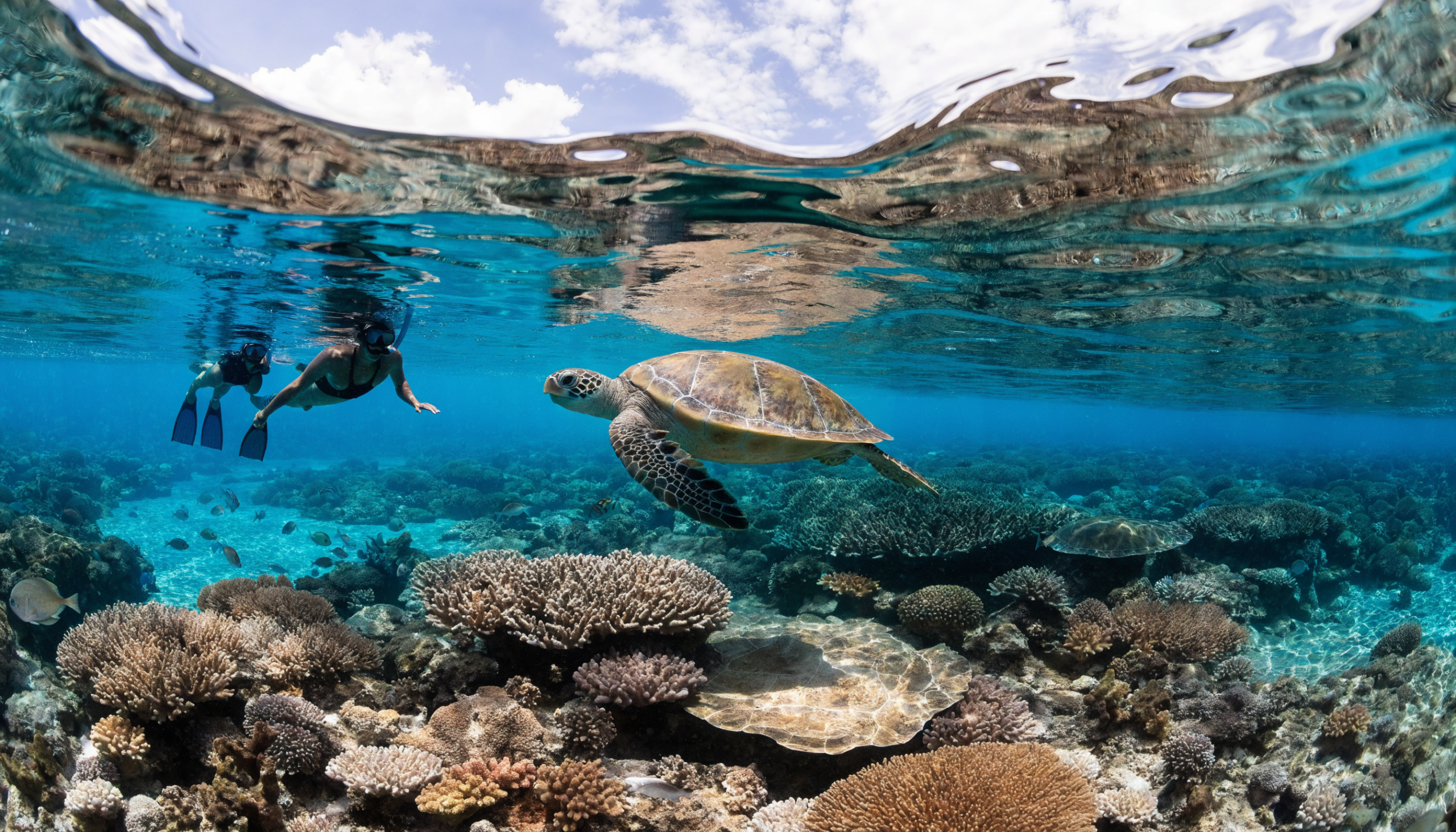
Norman Island is wrapped in pirate legend — it’s often cited as an inspiration for Robert Louis Stevenson’s Treasure Island — and its snorkeling lives up to the romance. The sea caves at the base of the cliffs teem with fish and shafts of light, and the wide, protected anchorage at The Bight is one of the most beloved overnight spots in the territory. It’s a place where the water is so clear you can watch your anchor set on the sand fifteen feet below.
The reefs, wrecks, and the wider Virgins
Between the marquee stops, the BVI is stitched together with smaller wonders: the snorkeling pinnacles known as The Indians, the flat coral island of Anegada with its lobster shacks and flamingo-dotted salt ponds, quiet moorings off Cooper Island and Marina Cay, and dozens of coves that never make a guidebook. Your captain reads the wind and the mood of your group each morning and chooses accordingly. Want to see more of what these waters hold? Our destinations pages go deeper on each island, and the USVI, Bahamas, and Grenadines if you ever want to venture beyond the BVI.
The practical questions every first-timer asks
Let’s answer the ones that come up in nearly every first conversation, honestly and directly.
Do I need a passport? Yes. The British Virgin Islands are a British Overseas Territory, so even though you may fly in through the neighboring U.S. Virgin Islands, you’ll clear customs and immigration entering the BVI. Your crew handles the process and walks you through exactly what to bring — but pack the passport first.
Will I get seasick? Far less likely than you think, for the reasons above: the BVI’s protected channel keeps the water calm, catamarans are famously stable thanks to their two hulls, and you’re at anchor far more than you’re underway. Most first-timers who worried about it beforehand forget the worry entirely by day two.
What do I actually do all day? Whatever you like. That’s not a dodge — it’s the defining feature of the trip. Some mornings you’ll want to sail; some you’ll want to stay put and paddleboard around the anchorage. There are snorkel sets, kayaks, and water toys aboard, hikes ashore, beach bars to visit, and long lunches on deck. There is also, blessedly, absolutely nothing you’re obligated to do.
Is it really for people who’ve never sailed? It’s arguably best for them. Experienced sailors love the BVI too, but the crewed model means zero prior experience is required. You bring curiosity and a swimsuit; the crew brings everything else.
What about the food? This is where a crewed charter quietly outclasses almost any resort. Your private chef cooks to your group’s tastes and dietary needs, sourcing local fish and produce, plating breakfast as the sun comes up and dinner as it goes down. You’re not chasing reservations or splitting checks. You’re eating restaurant-quality meals in the most beautiful dining room imaginable — the open sea.
Why do it this way instead of a resort
It’s worth naming the alternative plainly, because most people default to it. A Caribbean vacation usually means booking a resort or a villa, staying in one place, and taking day trips out to see the highlights along with everyone else who booked the same excursion. It’s lovely. It’s also static.
A yacht flips the equation. Instead of visiting the beautiful places, you live among them, waking up in a different postcard each morning. Instead of sharing a beach with a thousand strangers, you drop anchor off a cove that’s yours for the afternoon. Instead of a hotel’s fixed menu and fixed schedule, you have a chef who cooks what you love and a captain who goes where the day leads. We made the fuller case for this in Beyond the Hotel Room, but the BVI is where the argument makes itself — because there is simply no way to experience these islands more completely than from the water.
And because we’re owner-operated — former crew ourselves, with more than a decade of maritime experience and a fleet of 22-plus fully crewed catamarans rather than a call center and a booking form — we plan your week like people who have actually lived it. That shows up in the details: the right boat for your group, the right crew for your personalities, the anchorage timed so you have The Baths nearly to yourselves. It’s the difference our guests tend to notice most, and it’s reflected in a 4.9-out-of-5 rating across more than 200 voyages. You can read what they say in their own words on our reviews page.
Life, Underway.
Ready When You Are
A first charter in the British Virgin Islands has a way of resetting what you thought a vacation could be. Tell us who’s coming, what you love, and the kind of week you’re dreaming of — and we’ll build it around you.