
Life, Underway.
The short answer: the best time to charter a yacht in the Caribbean is December through April. That’s the dry season: sunny days, steady trade winds and calm, clear water across the Virgin Islands, the Bahamas and the Grenadines. For the best mix of good weather and quieter anchorages, look at the shoulder months of early December, May and June. The official Atlantic hurricane season runs June 1 to November 30 and peaks from mid-August to mid-October, so that’s the stretch to plan around.
That covers the basics. Your best week also depends on who’s coming, what you want to do and which islands you have in mind. A family chasing calm water for young swimmers wants a different month from a couple who want the Tobago Cays nearly to themselves. Below, we go through the year month by month, show how each of our four cruising grounds changes with the seasons, and answer the questions we hear most often.
The Caribbean charter calendar at a glance
The Caribbean doesn’t have four seasons the way the mainland does. It has two: a dry season, roughly December to May, and a wet season, roughly June to November, which overlaps with hurricane season. It’s warm all year. Air temperatures sit in the low to high 80s °F, and the sea goes from about 79 °F in late winter to the mid-80s in late summer. What changes is wind, rain, crowds and risk.
| Month | Weather & sea | Crowds | Best for |
|---|---|---|---|
| January | Dry, sunny, breezy; “Christmas winds” can blow 20+ knots | Busy after New Year’s, then steady | Sailing lovers, escaping winter |
| February | Dry and reliably sunny; brisk trades | Peak (Presidents’ Day, school breaks) | Classic Caribbean postcard weather |
| March | Dry, settling winds, excellent visibility | Peak (spring break) | Snorkeling, the Exumas, families |
| April | Dry, calmer seas, long sunny days | Busy around Easter, then easing | The all-round sweet spot |
| May | Warm, mostly dry, gentle breezes | Quiet | Couples, honeymooners, calm water |
| June | Hot, light winds, glassy water; season begins | Quiet | Families after school ends, divers |
| July | Hot and humid, short showers, warm water | Moderate (summer holidays) | Families, swimming, snorkeling |
| August | Hottest; storm activity rising | Low | Flexible travelers, southern islands |
| September | Peak hurricane season | Very low; many yachts rest | Generally best avoided |
| October | Still active season; humid | Very low | Generally best avoided |
| November | Season winding down; drying out late month | Picking up around Thanksgiving | Early-bird value, Thanksgiving trips |
| December | Dry season returns; breezy | Quiet early, very busy at the holidays | Early-December escapes, festive weeks |
Peak season (December to April): why it’s the classic choice
There’s a reason most of the Caribbean’s charter calendar fills up in winter and spring. Rain is rare and usually comes as a short passing shower. Humidity drops, and the northeast trade winds blow steadily, which is what makes a catamaran glide. Visibility underwater is often excellent, which is great news if snorkeling at Trunk Bay in Virgin Islands National Park or drifting over coral gardens in the Exumas is on your list.
There are trade-offs. The holiday weeks around Christmas and New Year’s are the most requested of the year, and February and March bring school breaks and spring break. During those windows, popular anchorages are busier and the most sought-after yachts book up early. Early in the season you’ll also meet the “Christmas winds,” a stretch of stronger trades between December and February. Your captain will use them to give you a great sail, then tuck you into a sheltered bay for the night. Catamarans sit flat and stable, so a breezy day is a fun day.
Our tip: if you want peak-season weather with fewer people around, aim for mid-to-late April, after the Easter rush. The water is warming, the winds are settling, and you still get dry-season sunshine.
The shoulder months: May, June and early December
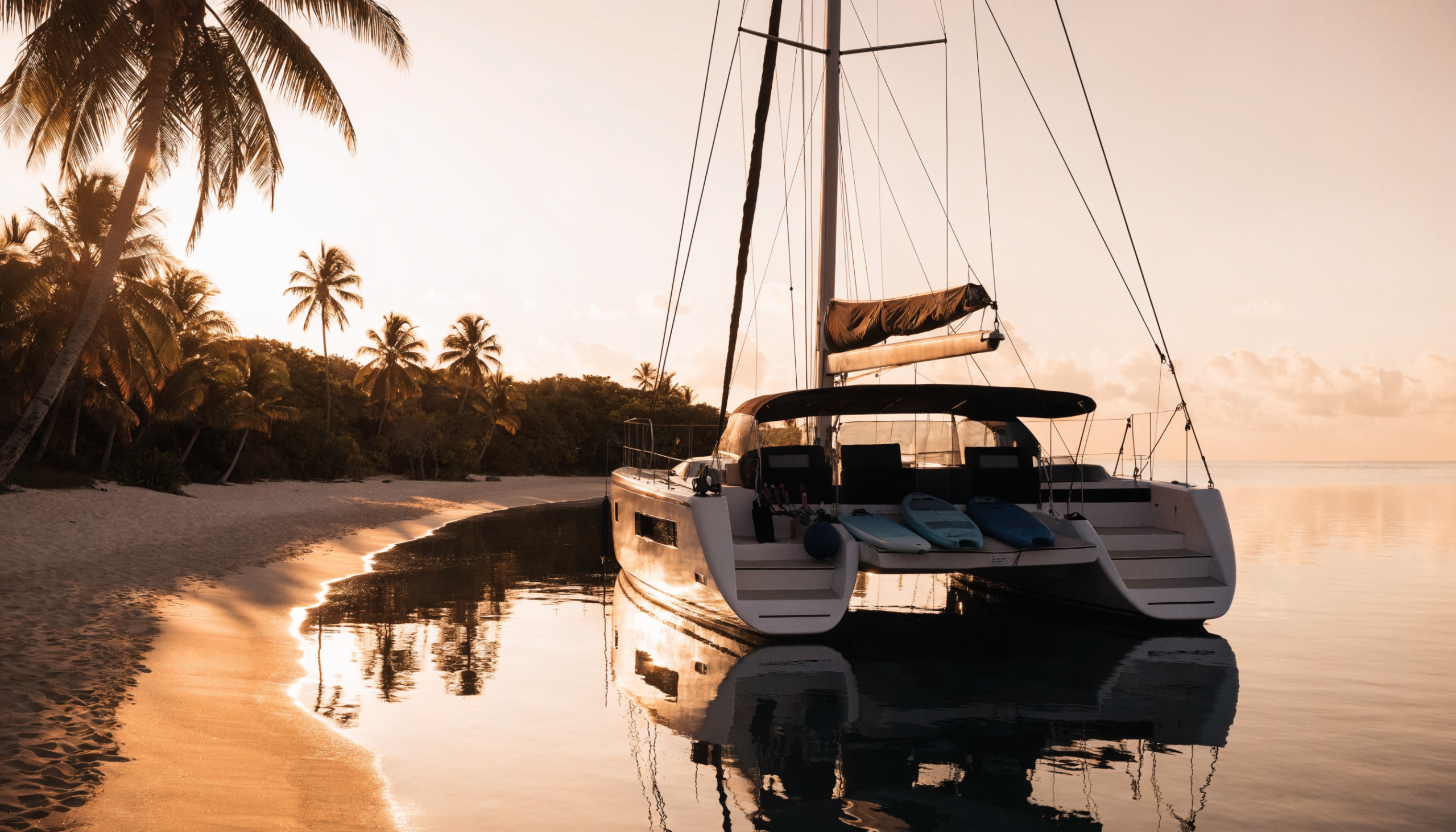
Ask an experienced charter guest when they like to go, and you’ll often hear “May.” The weather is still mostly dry and the breezes are gentler. The crowds of winter are gone, and the water is warm enough for long swims straight off the stern. Anchorages that are full in March can feel almost private.
June is similar, with lighter winds and glassy water that’s ideal for snorkeling, paddleboarding and young swimmers. Hurricane season officially starts on June 1, but early-season storms are historically less common than those later in the summer. Many families choose late June so the trip lines up with the end of the school year.
Early December, the weeks between Thanksgiving and the holidays, is one of the best-kept secrets in Caribbean travel. The dry season has arrived, the islands are green from the autumn rains, and the holiday crowds haven’t landed yet. Availability is often easier during the shoulder months too. Ask us what’s open on the dates you’re considering.
Sailing in summer and hurricane season (June to November)
Summer in the Caribbean has its fans. It brings the warmest water of the year, the lightest crowds and long, lazy days. July is a popular family month, and the trade-off is heat, humidity and the occasional tropical shower that blows through in twenty minutes.
Planning gets more careful from mid-August through October, the historical peak of the Atlantic hurricane season. Storms don’t happen every week, and modern forecasting gives days of warning, but it’s the period when plans are most likely to change. Many yachts use these months for maintenance, and most of our guests choose other dates. If summer is your only window, sail earlier in the season, stay flexible, and ask how weather-related changes are handled before you book.
Geography matters here too. The Grenadines, far to the south, sit lower in the island chain and historically see fewer direct hurricane strikes than islands further north. That doesn’t make them storm-proof, but it’s one reason southern itineraries come up in summer conversations.
The best time to visit each Charter Caribe destination
Each of our four cruising grounds has its own rhythm. Here’s how they compare.
US Virgin Islands: best December to April, with lovely shoulder weeks into July
Our home waters are the easiest Caribbean charter to get to: fly into St. Thomas (STT), and you’re minutes from the dock. US citizens don’t need a passport. The USVI is beautiful from November through July. Winter brings the most reliable sunshine, and late spring and early summer offer calm, uncrowded bays like Maho Bay and Christmas Cove. It’s an ideal first sail at almost any time in the main season.
British Virgin Islands: best November to May
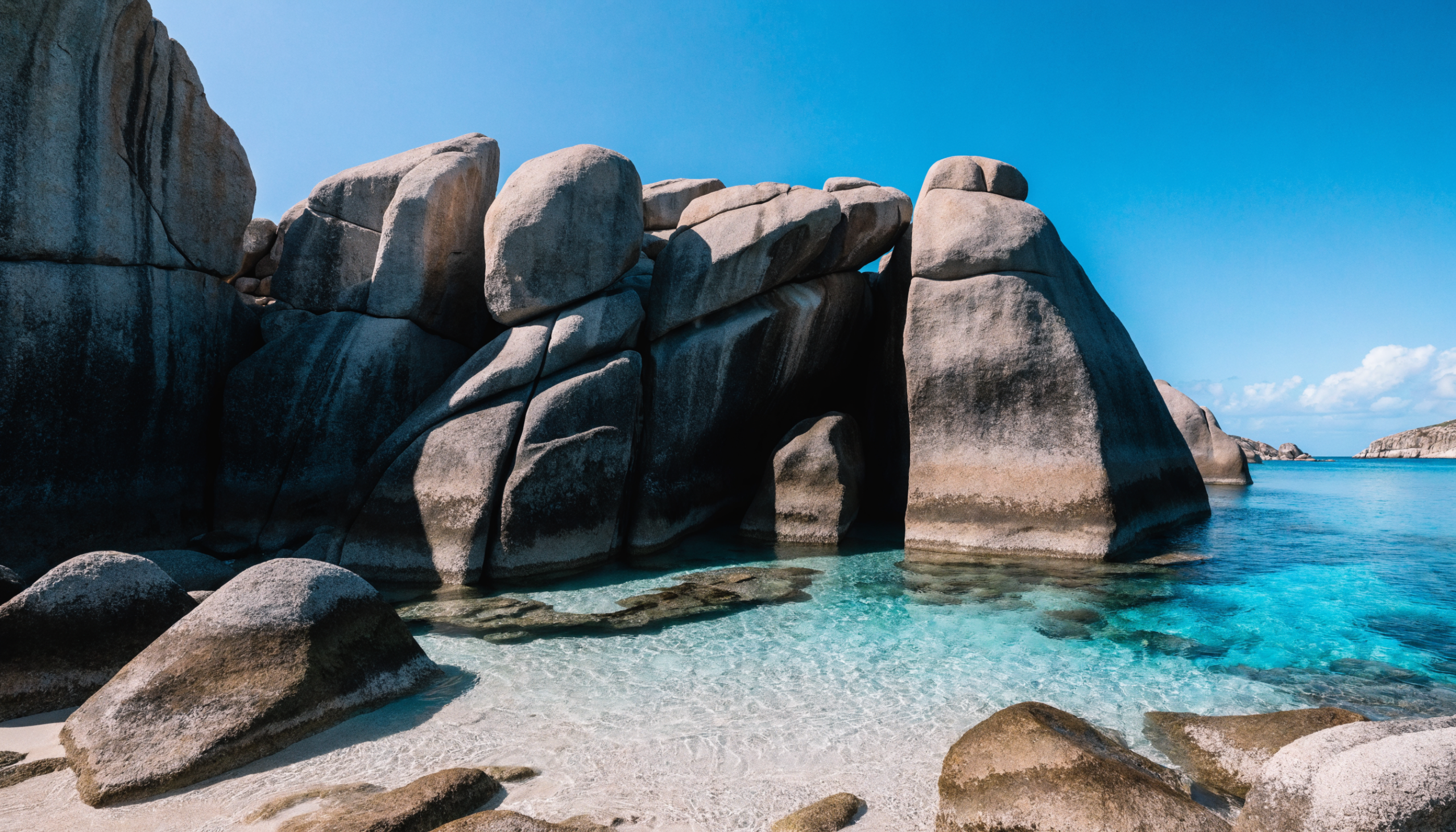
The BVI’s protected Sir Francis Drake Channel makes for forgiving sailing, even in the breezy months. Winter and spring are classic. Spring brings a lively regatta atmosphere to Tortola, and May offers quieter beach bars on Jost Van Dyke and more space to swim among the boulders at The Baths. If it’s your first time, our first-timer’s guide to the BVI walks through a typical week.
The Bahamas (Exumas): best December to April, especially March to May
The Exumas’ famous clarity is at its most dazzling in spring. In midwinter, the occasional cold front from the north can bring a few cooler, breezier days. By March the pattern settles into the long, calm, sun-washed days that make swimming with the pigs at Big Major Cay and diving Thunderball Grotto unforgettable.
The Grenadines: best December to May
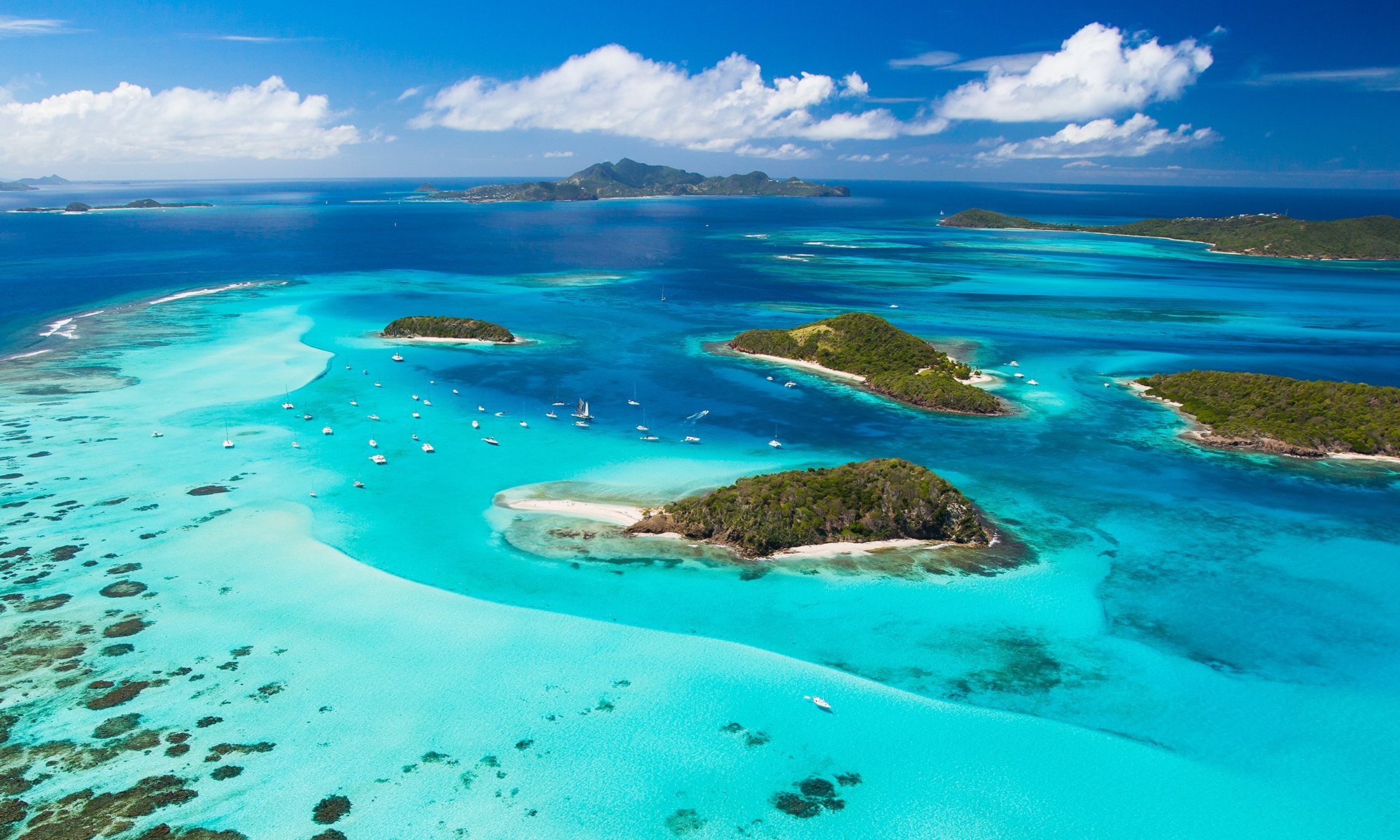
The Grenadines are for sailors who want to get beyond the crowds. The dry season brings the steady trades that make the passage between Bequia, Mustique and Mayreau a joy. The Tobago Cays marine park, where you can snorkel beside sea turtles, is at its clearest and calmest in late spring.
Match the month to your trip
- First-time charterers: April or May in the USVI or BVI, for calm, sheltered water and easy sailing.
- Families with kids: late March (spring break), or late June and July for warm, gentle water once school’s out.
- Honeymooners and couples: May or early December, for quiet anchorages and golden evenings.
- Snorkelers and divers: March to June, for clear water and settled seas.
- Holiday celebrations: Christmas and New Year’s, but book well in advance.
- Keen sailors: January and February, when the Christmas winds make for exhilarating days under sail.
Whenever you go, the experience aboard stays the same: a private crewed catamaran, a captain who reads the weather for a living, and a chef who plans the menu around you. That’s also why the value holds up in any season. We break it down in what’s actually included on a crewed charter. Our 4.9★ guest rating comes from crews who adjust every itinerary to the conditions, so the best day of the week is never left to chance.
How far in advance should you book?
For Christmas, New Year’s, Presidents’ Day and spring break, start the conversation as early as you can. Those weeks are the first to fill, and the best-matched yachts go quickly. For the rest of peak season, a few months’ notice gives you a strong choice of yachts and dates. Shoulder-season trips are usually the most flexible. Whatever your timeline, talking to us early gives us room to match you with the right boat, crew and itinerary.
Frequently Asked Questions
What is the best month to charter a yacht in the Caribbean?
For most travelers, April is the all-round sweet spot: dry-season sunshine, settling winds, warm water and fewer crowds once Easter has passed. December to April as a whole is the most reliable period, and May is a favorite for quieter anchorages.
Is it safe to charter during hurricane season?
Hurricane season runs June 1 to November 30, but risk isn’t spread evenly. Early summer is historically quieter, and activity peaks from mid-August to mid-October. Modern forecasting gives plenty of warning, and crews plan around the weather. If you sail in this period, stay flexible and ask how weather-related changes are handled before you book.
What is the cheapest time to charter in the Caribbean?
Demand, and with it availability, is highest during the holidays and spring break. The shoulder months of May, June and early December are typically the easiest to book and often the best value. Contact us with your dates to see what’s available.
How far ahead should I book a Christmas or New Year’s charter?
As early as possible. The festive weeks are the most requested of the year, and the most popular yachts are often reserved many months ahead.
Is the Caribbean too windy in winter?
Not on a catamaran. The “Christmas winds” of December to February bring stronger trade winds, which make for great sailing days. Catamarans are stable, and captains end each day in sheltered anchorages, so evenings stay calm and comfortable.
Which Caribbean destination is best in summer?
The US and British Virgin Islands are lovely in June and July, with warm, calm water and fewer crowds. The Grenadines, further south, historically see fewer direct hurricane strikes than the northern islands, which makes them a popular choice for later in the summer.
Already picturing your week on the water? Tell us your dates, and we’ll match you with the right yacht, crew and islands for that time of year. Life, Underway.