
Life, Underway.
The short answer: the Caribbean’s best-kept coves are the ones with no road, no hotel and no ferry dock, so the only way to reach them is by boat. On a crewed yacht you can wake up in places like Waterlemon Cay on St. John, Benures Bay at Norman Island, Warderick Wells in the Exumas or the Tobago Cays in the Grenadines, often before the day-trippers arrive and long after they leave. Your captain picks each stop by wind, swell and timing, so you get the quiet version of every bay.
A hotel gives you one beach. A yacht gives you a new one every morning, plus the reefs, sandbars and little cays in between that no shuttle bus can reach. Below, we share a curated list of quieter anchorages across our four cruising grounds, how your captain decides where to drop the hook, and the simple etiquette that keeps these places beautiful.
Why a yacht reaches places a hotel can’t
Most of the Caribbean’s loveliest water sits just offshore. Small cays, reef-fringed bays and beaches backed by national park land have no resort on them, and that’s exactly why they stay clear and quiet. From a hotel, you’d need to book a tour, share a boat with strangers and head home by mid-afternoon. From a private catamaran, the cove is your back garden.
Timing is the other big difference. Day boats arrive mid-morning and leave before sunset. When you live aboard, you’re there for the hours that matter most: the glassy calm at dawn, a late-afternoon snorkel with the reef to yourself, and a sky full of stars with no lights on shore. We compare the two ways to travel in more detail in crewed catamaran vs. hotel or villa.
Catamarans have one more advantage. They draw less water than most monohulls of the same size and sit flat at anchor, so your captain can tuck into shallower, more sheltered corners and you can step straight off the swim platform into clear water.
Hidden anchorages, destination by destination
Here are some of our favorite quieter stops across our four cruising grounds. “Secret” is relative in a region this lovely, but each of these rewards guests who arrive by water and time it well.
US Virgin Islands
Christmas Cove, Great St. James. Just off the east end of St. Thomas, this small, sheltered cove is an easy first-night anchorage when you board in our home waters. The rocky shoreline and the little cay at its edge make for relaxed snorkeling, and the calm water suits paddleboards and young swimmers.
Waterlemon Cay and Leinster Bay, St. John. On the north shore of St. John, inside Virgin Islands National Park, Waterlemon Cay is one of the best snorkels in the Virgin Islands. Guests often spot sea turtles, rays and starfish in the seagrass and around the cay, and the ruins of the Annaberg sugar plantation sit on the hillside above the bay.
Salt Pond Bay, St. John. On St. John’s drier, quieter south shore, Salt Pond Bay feels a world away from the busy north-shore beaches. It’s a calm spot for swimming and snorkeling, and the trail toward Ram Head gives you sweeping views over the coastline.
British Virgin Islands
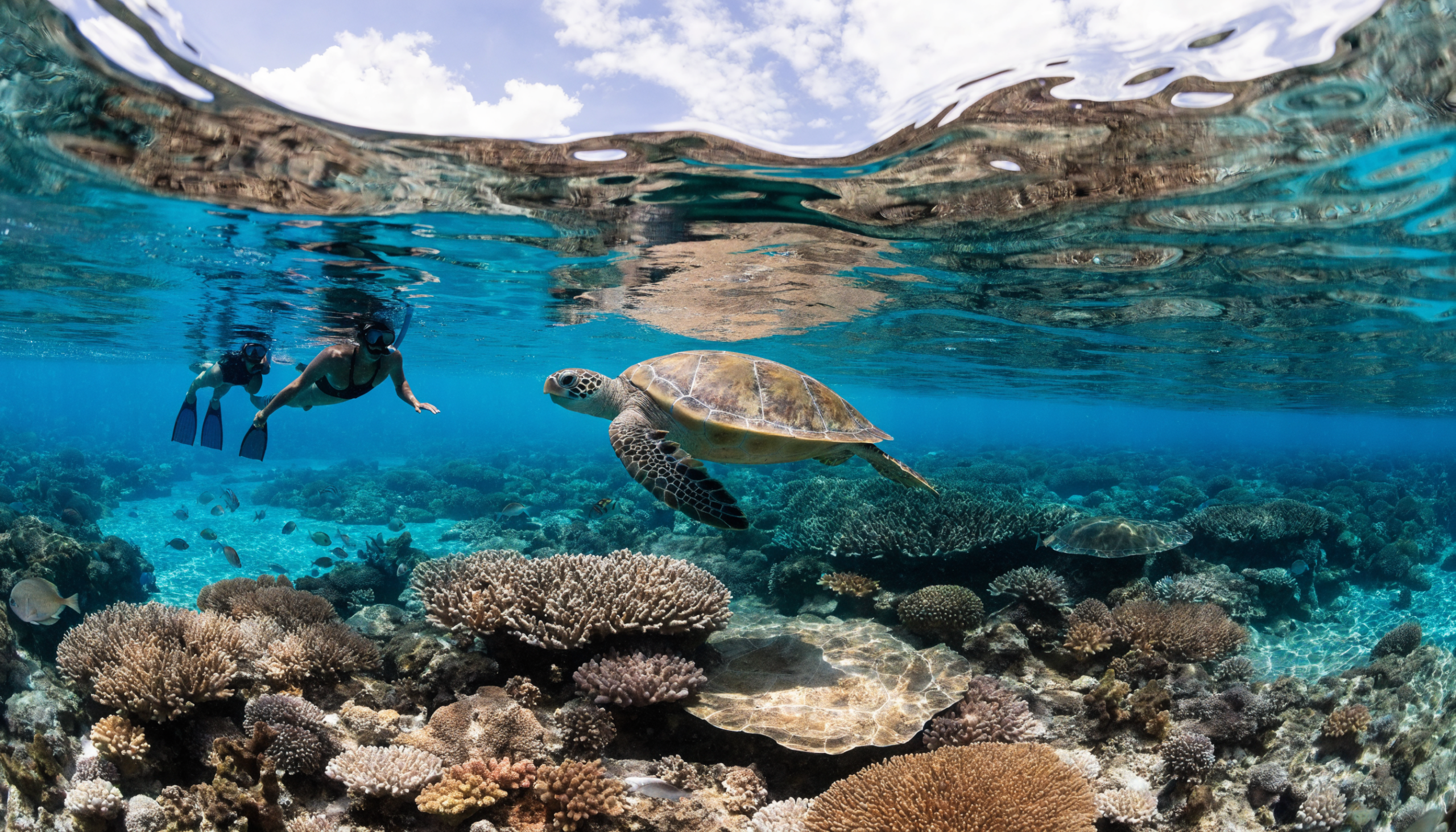
Benures Bay, Norman Island. Most boats head for the Bight, Norman Island’s famous main harbor. Benures Bay, on the island’s north side, is the quieter alternative: a peaceful anchorage with clear water and good snorkeling along its rocky edges. It’s also a short hop to the caves at Treasure Point.
Monkey Point, Guana Island. Off Guana Island, just north of Tortola, Monkey Point is a favorite snorkel stop. Reef fish gather along the rocky point, and the water is often very clear. It works best as a daytime visit in settled conditions.
Diamond Cay and Little Jost Van Dyke. At the east end of Jost Van Dyke, this corner feels a long way from the island’s lively beach bars. It’s a protected national park area with shallow, sheltered water. Nearby, the short walk to the Bubbly Pool, where waves rush through the rocks into a natural pool, is a guest favorite when the swell is right.
Anegada. Unlike the mountainous Virgin Islands, Anegada is a low, flat coral island ringed by long, empty beaches such as Loblolly Bay and Cow Wreck Beach. Horseshoe Reef stretches out from its shores, which is why captains approach it only in good light and good weather. The reward is some of the most remote-feeling sand in the BVI.
Cooper Island. Small, green and relaxed, Cooper Island is a lovely overnight stop with good snorkeling around its points. It also puts you close to Salt Island and the wreck of the RMS Rhone, one of the Caribbean’s best-known dive sites. New to these islands? Our first-timer’s guide to the BVI shows how stops like these fit into a week.
The Bahamas (Exumas)
Warderick Wells, Exuma Cays Land and Sea Park. This cay is the heart of the Exuma Cays Land and Sea Park, a protected no-take marine reserve. Its crescent-shaped channel of impossibly blue water is one of the most photographed anchorages in the Bahamas, and the hike up Boo Boo Hill gives you a panoramic view over the cays and banks.
Compass Cay. A short sail south of Warderick Wells, Compass Cay is known for its gentle nurse sharks and for Rachel’s Bubble Bath, a natural rock pool where ocean waves spill over the edge at higher tide. It’s an easy, memorable stop for families.
St. Vincent and the Grenadines
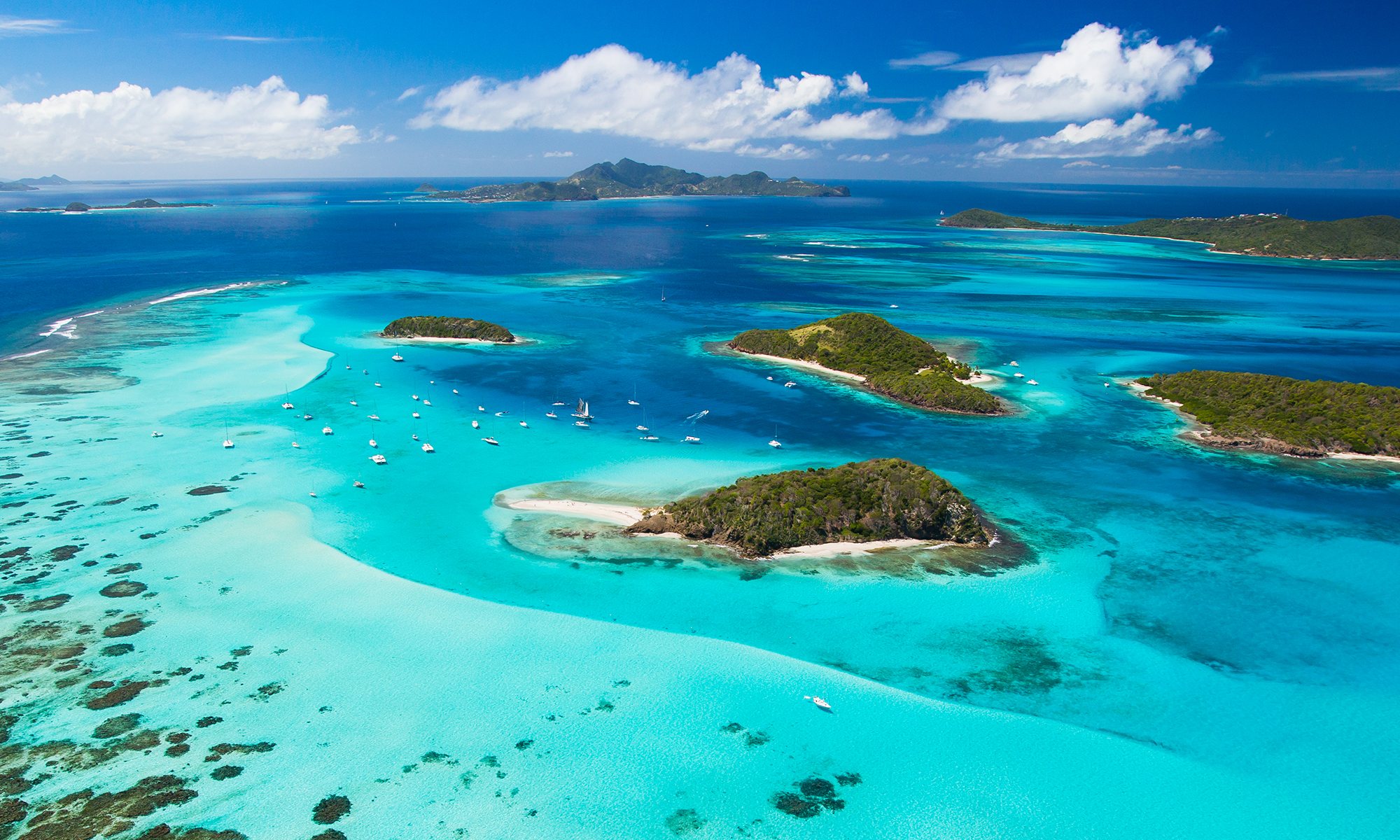
Tobago Cays Marine Park. A cluster of small uninhabited cays sheltered behind Horseshoe Reef, the Tobago Cays are the jewel of the Grenadines. You can snorkel beside sea turtles grazing in the seagrass, walk powder-white beaches and anchor in water so clear the boat seems to float in midair.
Salt Whistle Bay, Mayreau. This curved, palm-lined beach sits on a narrow strip of land at the north end of Mayreau, with the calm bay on one side and the Atlantic breaking on the other. It’s a classic stop for a swim and a barefoot walk.
Petit Tabac. Just outside Horseshoe Reef, this tiny palm-dotted islet is about as close to a desert island as it gets. It’s exposed to the open sea, so it’s a daytime visit when the weather is settled and your captain gives the nod.
How your captain picks the perfect anchorage
Knowing good coves is the easy part. Choosing the right one for today’s conditions is where an experienced captain earns their keep.
- Wind and swell: the trade winds blow mostly from the east, but they shift, and a northerly swell in winter can make some north-facing bays rolly. Your captain checks the forecast each day and picks bays sheltered from that day’s wind and swell, so you sleep in calm water.
- Arriving early or late: the popular reefs are busiest from mid-morning to mid-afternoon. Arriving early means you snorkel first, while the water is calm and clear. Staying late means you get the bay to yourself once the day boats leave.
- Light and the sun: reef approaches are best made with the sun high and behind you, when coral heads are easy to see. That’s why places like Anegada and the Tobago Cays are planned around the time of day.
- Flexibility: because every Charter Caribe itinerary is custom, your captain can swap stops around to follow the best conditions rather than a fixed schedule.
Our licensed captains (USCG, RYA or equivalent) bring real crewed-charter and catamaran experience to these calls. Season matters too: our guide to the best time to charter in the Caribbean explains how winds and crowds shift through the year.
Respecting moorings, parks and reefs
Many of the most beautiful anchorages on this list sit inside protected areas, including Virgin Islands National Park on St. John, the BVI’s national parks, the Exuma Cays Land and Sea Park and the Tobago Cays Marine Park. Each has its own rules, and your captain handles them for you: using park moorings where they’re provided instead of dropping anchor on seagrass or coral, registering and paying any park fees, and following local no-take and no-anchoring zones.
As a guest, a few simple habits help protect these places:
- Choose reef-safe sunscreen, or cover up with a rash guard, so less sunscreen washes onto the coral.
- Look, don’t touch. Don’t stand on coral, chase turtles or pick up starfish. Give wildlife plenty of space.
- Take only photos. Leave shells, coral and sand where you found them, and follow no-take rules in marine parks.
- Pack it out. Bring all trash back to the yacht, and your crew will dispose of it properly ashore.
Your crew provides snorkel gear and water toys, with a quick briefing at each new spot.
Frequently Asked Questions
Can you really only reach these coves by yacht?
Some, like the Tobago Cays, Petit Tabac and much of the Exuma Cays, have no road access at all. Others can be reached by a day tour or a hike, but only a yacht lets you stay overnight and enjoy them early in the morning and late in the day, when they’re quietest.
Which destination has the most secluded anchorages?
The Exumas and the Grenadines tend to feel the most remote, with long stretches of uninhabited cays. The Virgin Islands are busier overall, but an experienced captain can still find quiet bays, especially with smart timing.
Are these anchorages good for beginners and kids?
Many are. Sheltered spots like Christmas Cove, Leinster Bay and Salt Whistle Bay have calm water for swimming and paddleboarding. Your captain will always pick stops that suit your group and the day’s conditions.
Do I need to pay marine park fees?
Some protected areas charge fees or require mooring use. Your captain takes care of the park rules and arrangements during your charter, so you can just enjoy the water.
What sunscreen should I bring?
A reef-safe mineral sunscreen is the best choice, and a rash guard or sun shirt cuts down how much you need. Both help protect the coral reefs you’ll be snorkeling over.
Can I request specific coves on my itinerary?
Yes. Every Charter Caribe itinerary is custom. Share your wish list, and your captain will build the week around it, adjusting the order of stops to suit the wind and swell.
Ready to trade the hotel beach for a cove of your own? Tell us where you’d like to sail, and we’ll match you with the right yacht, crew and hidden anchorages for your week. Life, Underway.